The beauty of the brandless kit
Updated: Oct 26, 2024

In a world where money is king, advertisements are everywhere. The footballing world is no different.
Long ago, football kits were brandless on the front. From Liverpool’s striking red kits to Real Madrid’s pure white jerseys, from Chelsea’s royal blue to the red and white stripes of Bayern Munich, football jerseys were at their peak, carrying prestige and honor.
Then came Coventry city in 1978 with the first shirt sponsor Talbot, an automobile company which plummeted into obscurity only a decade later. This singular sponsorship completely changed the landscape of the game. Clubs realized the untapped value of shirt sponsors, and soon every major club had a brand over their kit.
Nowadays, all you need to do is look at any Liga MX game, and you’ll see brands plastered all over the football kits, with teams using every square inch of their jerseys to advertise.
While the jumble of brands that are on Liga MX kits may look crazy when compared to other jerseys in the world, it’s still a fact that teams these days prioritize top sponsors on their jerseys to make the most money.
When Nottingham Forest announced their home jersey for the 2022/23 season, the usual pattern went out the window. Shocked fans fled to social media to see if it was true. And there on Nottingham’s kit reveal page, where the brand BOXT used to be displayed in large print last season, was now an empty space.
This surprised many, as newly promoted teams like Nottingham Forest usually need as much income as they can get to stay up for the next season. With no shirt sponsor, Nottingham Forest were forfeiting a key source of revenue.

Now, if you do the research you will know that Nottingham Forest's choice to not have a kit sponsor was NOT based on morals or the need to preserve sporting integrity. In fact, Evangelos Marinakis, the owner of Nottingham Forest, chose to go brandless because he had been waiting for a sponsor that offered 10 million pounds a year, and never got the offer.
After subverting everyone’s expectations for their on-the-pitch performances by avoiding relegation, Forest once again broke the internet by choosing Kaiyun Sports to be their front shirt sponsor for the 2023/24 season. While this marked the end of Forests’ experimentation with an empty kit, many online pleaded for the phenomenon of brandless kits to continue.
In many ways, this is more than just about football kits. This is a call to return to simplicity, when money didn’t control everything that players did. Even a small change can make a big difference in the long run.
While most teams relationships with sponsors have been strictly advertisement based, there are examples of brands somewhat taking over the club. The most notable example of this is Red Bull’s purchases of multiple clubs, and completely rebranding them. The energy drink giants currently sponsor a total of five soccer clubs around the world, across three continents.
Taking majority ownership of a club would be fine, if Red Bull was simply putting its badge on the shirts. However, Red Bull have gone way beyond that, completely re-shaping the identities of these clubs, alienating the fanbase, and whitewashing their actions.
The most telling example is that of SV Austria Salzburg, a club which was founded in the 1930s. Die Mozartstädter, as the club’s faithful called themselves, was bought by Red Bull in 2005. With this purchase, the company was able to change board members, which essentially allowed the club to make its own decisions. In the years that followed, SV Austria Salzburg was renamed Red Bull Salzburg, the club's logo was changed to Red Bulls’, and the club's distinct Purple shirt was swapped for a corporate white kit.
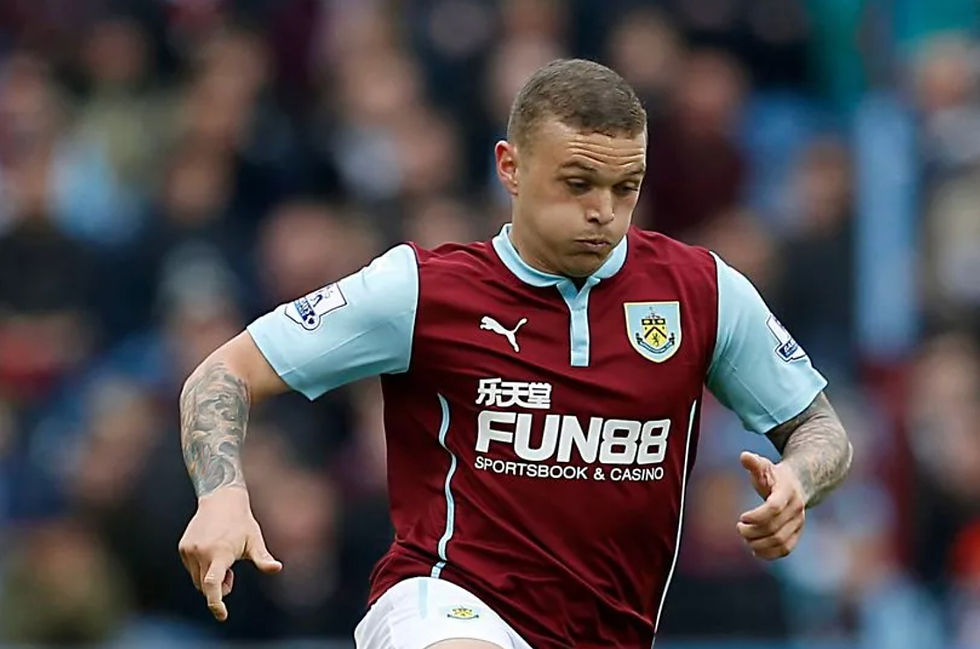
A company re-writing a club's history isn’t the only way that brands compromise the integrity of football. Certain brands may represent values that are questionable for the people watching, for example, those that provide age restricted services. With such a world-wide audience, do we really want to have kids seeing their favorite players on screen, with giant ads about gambling on their shirts? Is that what we want these kids to associate with success?
This points to a key reason why some believe that shirts should be sponsorless. It demonstrates that the integrity of the club and the sport comes before everything else, even before major paychecks.
On the international level, a situation where brands sponsor countries could be a recipe for disaster. Brands may lack the cultural awareness that is necessary to maintain harmony. For example, drinking is forbidden in Muslim countries, yet alcohol companies such as Budweiser is a World Cup sponsor. We already saw this conflict in the 2022 FIFA World Cup when Qatar banned alcohol sales in stadiums, and we could see even more conflict if Muslim countries share the field with alcohol-sponsored countries.
Thankfully, we see footballing integrity from the kits of the national teams. For example, check the jerseys of the Brazilian national team. While training, you'll see brands like the Guaraná logo plastered all over the kit. However, once the team steps on the field, the iconic yellow shirt and badge is left on its own, not obstructed by some juice company.
The fact is that FIFA prohibits the use of brand logos on the actual playing kits. Now, FIFA claims that this is to protect the integrity of the sport, but even if it's just about blocking outside sponsors from getting attention at major tournaments (it does seem likely given what we know about FIFA), isn’t it great to see the kits as themselves and not covered by a gambling website?
In my opinion, this is the way forward. I don't think that eliminating brading from all aspects of the sport is possible. Obviously not; there's always a desire for advertisement with clubs needing funding, and companies wanting exposure. But there's a way to advertise without making it intrusive. Keeping the brands off the shirts is a vital way of maintaining the integrity of this beautiful sport.

![You're in [insert team name here] country](https://static.wixstatic.com/media/758b2c_6a02ff78ce59487d985d2ca77fa0fcaa~mv2.png/v1/fill/w_926,h_588,al_c,q_90,enc_avif,quality_auto/758b2c_6a02ff78ce59487d985d2ca77fa0fcaa~mv2.png)


Comments